
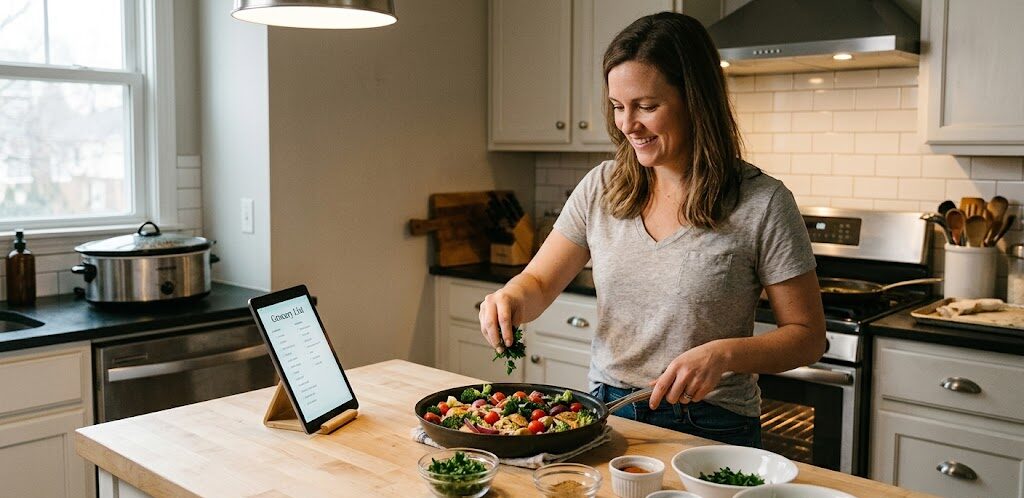
Let’s be honest, weeknights. They’re a whirlwind. You’re juggling work, maybe the gym, kids’ activities, and a mountain of other responsibilities. And then, there’s the dinner dilemma. That daily question: “What am I going to make?” It’s a question that often leads to stress, unhealthy takeout choices, and a general feeling of overwhelm. I get it. For years, I stumbled through weeknights, staring blankly into the fridge, desperately searching for inspiration. The result? Too many last-minute pizza orders, a lot of wasted groceries, and a constant feeling of guilt about not eating well. But over time, I’ve developed some simple, practical hacks that have transformed my weeknight dinners from a source of stress into a manageable (and even enjoyable!) part of the day.
The Real Problem: Why Weeknight Dinners Are So Difficult
It’s not just about the cooking itself. The dinner dilemma is a complex problem with several contributing factors:
- Time constraints: We’re all busy. By the time you get home, the clock is ticking, and the last thing you want to do is spend hours in the kitchen.
- Decision fatigue: Making choices all day long at work drains your mental energy. By the time dinner rolls around, you’ve got nothing left to make those decisions.
- Lack of planning: Without a plan, you’re forced to improvise, which often leads to unhealthy choices or wasted food.
- The emotional factor: After a long day, you might be tempted to reach for comfort food, which can sabotage your healthy eating goals.
Understanding these challenges is the first step toward solving the dinner dilemma. It’s not about being a perfect chef or spending hours in the kitchen. It’s about being strategic and finding ways to make the process easier, more efficient, and less stressful.
Hack #1: The Weekly Meal Plan – Your Secret Weapon
This is the foundation of a stress-free weeknight dinner strategy. I resisted meal planning for years. It seemed like too much work. But trust me, once you get the hang of it, it’s a game-changer. Here’s how to do it in a way that actually works:
- Choose a day: Pick a day each week (Sunday afternoon works well) to plan your meals.
- Consider your schedule: Look at your calendar and note any busy evenings or times when you’ll be eating out.
- Browse your pantry and fridge: See what ingredients you already have on hand to reduce waste.
- Choose simple recipes: Start with meals that you know and enjoy. Don’t try to be fancy. Focus on recipes with 6 ingredients or less to begin with.
- Create a list: Write down your meals for the week.
- Make a shopping list: Based on your meal plan, create a detailed shopping list.
- Batch cook: If possible, prep ingredients on the weekend. Chop vegetables, cook grains, and portion out proteins.
Real-Life Example: My family loves tacos. On Sunday, I’ll cook a big batch of ground beef or turkey. Then, during the week, it’s a quick matter of assembling the tacos with pre-chopped toppings and store-bought shells. This simple step saves me at least 30 minutes on taco night!
Mistake to Avoid: Overly ambitious meal plans. Don’t try to plan seven elaborate meals the first time around. Start small with 2-3 meals, and gradually add more as you get comfortable.
Hack #2: The “Emergency Meal” Stash
Even with the best planning, life happens. There will be nights when you’re running late, exhausted, or just can’t face cooking. That’s where your “emergency meal” stash comes in. This is a collection of quick and easy options that you can whip up in minutes.
Here are some ideas for your emergency meal stash:
- Frozen meals: Look for healthy, single-serving frozen meals that are easy to heat and eat.
- Canned goods: Canned beans, tuna, and soup are great for quick meals.
- Pantry staples: Pasta, rice, and whole-wheat tortillas are essential for building quick meals.
- Pre-cooked proteins: Rotisserie chicken, pre-cooked sausages, or canned chicken are lifesavers.
- Healthy snacks: Hard-boiled eggs, yogurt, and nuts can help stave off hunger until you can get dinner on the table.
Real-Life Example: On nights when I’m running behind, I can throw together a quick pasta dish with canned tuna, pesto, and some frozen vegetables. It’s not gourmet, but it’s nutritious and it’s a heck of a lot better than takeout.
Myth Buster: You don’t need to be a gourmet chef to eat healthy. Simple meals made with good ingredients are just as effective. In fact, they’re often more sustainable in the long run.
Hack #3: Embrace the Leftover Lifestyle
Leftovers are your best friend in the fight against weeknight dinner stress. Make a habit of cooking a little extra at each meal so you have leftovers for lunch the next day or a quick dinner later in the week.
Here’s how to maximize your leftover game:
- Plan for leftovers: When you’re meal planning, choose recipes that are easily adaptable for leftovers.
- Store leftovers properly: Use airtight containers and label them with the date to ensure freshness.
- Get creative with leftovers: Turn leftover roasted chicken into chicken salad sandwiches, or use leftover rice to make a quick fried rice dish.
- Repurpose ingredients: If you have leftover vegetables, use them to make a frittata or add them to a soup.
Real-Life Example: When I make a big pot of chili, I always make enough for at least two dinners. The second night, I might serve it over baked potatoes or with a side of cornbread for a different meal. This also helps save on food waste!
The Long-Term Impact: Reducing food waste not only saves you money but also has a positive impact on the environment.
Hack #4: Simplify Your Shopping Trips
Grocery shopping can be a time-consuming chore, but you can streamline the process with a few simple tricks.
- Use a shopping list: Stick to your list to avoid impulse purchases and reduce the risk of forgetting important items.
- Shop online: Many grocery stores offer online ordering and delivery or pickup services. This can save you a significant amount of time.
- Organize your list: Group your items by category (produce, dairy, etc.) to make it easier to navigate the store.
- Shop strategically: Go to the store when it’s less crowded, and avoid shopping when you’re hungry.
- Embrace meal kit services: While not a long-term solution, meal kits can be helpful for busy weeks or when you need a break from planning.
Real-Life Example: I use a grocery list app on my phone. When I run out of an item, I add it to the list immediately. Then, when it’s time to shop, I have everything in one place, and I don’t waste time wandering around the store.
The Time-Saving Benefit: A well-organized shopping routine frees up time for other activities and reduces the stress associated with meal preparation.
Hack #5: Get the Family Involved
Cooking doesn’t have to be a solo activity. Involve your family in the process to make it more enjoyable and share the workload.
- Assign tasks: Have each family member take on a specific task, such as chopping vegetables, setting the table, or washing dishes.
- Make it a team effort: Cook together as a family. This is a great way to bond and create lasting memories.
- Let kids choose meals: Allow your children to choose one meal per week to get them excited about eating healthy food.
- Delegate: Don’t be afraid to ask for help from your partner or other family members.
Real-Life Example: My kids love to help with dinner. They enjoy washing vegetables, setting the table, and stirring the pot. It’s a fun way to spend time together and teach them valuable life skills.
The Emotional Payoff: When everyone contributes to meal preparation, it can reduce stress, foster a sense of teamwork, and make mealtime more enjoyable.
Hack #6: Master the Art of the One-Pan Meal
One-pan meals are a lifesaver on busy weeknights. They require minimal prep and cleanup, making them a perfect solution when time is tight.
Here are some ideas for one-pan meals:
- Roasted vegetables and protein: Toss vegetables like broccoli, carrots, and sweet potatoes with olive oil and spices, then roast them alongside chicken, fish, or tofu.
- Sheet pan dinners: Combine your favorite ingredients on a sheet pan for a complete meal. Think sausage and peppers, or chicken with potatoes and green beans.
- Foil packet meals: Wrap ingredients in foil packets and bake them in the oven. This is a great way to cook fish or vegetables.
Real-Life Example: I often make a sheet pan dinner with chicken thighs, Brussels sprouts, and red onion. It takes about 10 minutes to prep, and then I just pop it in the oven. It’s easy, delicious, and requires minimal cleanup.
The Efficiency Factor: One-pan meals save time on both cooking and cleaning, making weeknight dinners less of a hassle.
Hack #7: Embrace Convenience Foods (But Wisely)
I know, some people are purists and are against convenience foods, but hear me out. There’s nothing wrong with using a few shortcuts to make your life easier, as long as you make smart choices.
Here are some convenience foods that can be helpful:
- Pre-cut vegetables: Save time by buying pre-cut vegetables for salads or stir-fries.
- Pre-cooked grains: Use pre-cooked quinoa, rice, or couscous to speed up meal preparation.
- Prepared sauces and marinades: Choose sauces and marinades that are low in sugar and sodium.
- Frozen fruits and vegetables: Frozen produce is just as nutritious as fresh, and it can be a convenient option.
- Canned beans and lentils: Canned beans and lentils are a quick and affordable source of protein and fiber.
Real-Life Example: I always keep a bag of frozen broccoli florets in the freezer. They’re perfect for adding to a quick stir-fry or soup. Using convenience foods will save you a lot of time on preparation.
Common Mistake: Relying solely on convenience foods. Balance convenience with whole, unprocessed foods for a healthy diet.
Putting It All Together: A Weeknight Dinner Success Story
Let’s imagine a typical weeknight. Instead of the usual stress and last-minute scramble, you’ve implemented these hacks:
- Sunday: You take an hour to plan your meals for the week, make a shopping list, and prep some ingredients.
- Monday: You arrive home from work. Since you already have the prepped ingredients, you whip up a quick and easy sheet pan dinner in minutes.
- Tuesday: You’re running late, so you reach for your emergency meal stash: a healthy frozen meal.
- Wednesday: You have leftovers from Monday’s dinner. No cooking required!
- Thursday: You involve your family in the cooking process. You make a fun, interactive taco bar.
- Friday: You’re tired, but you’re prepared. You have a delicious, easy pizza, and celebrate a successful week of dinner conquering.
This is the power of these simple hacks: a week of balanced, stress-free meals that save you time, energy, and mental bandwidth.
This is where most people waste time: They try to reinvent the wheel every night. But, you’re smarter than that. You have a plan, a strategy, and a collection of simple, effective hacks.
Common Mistakes to Avoid
While these hacks are effective, there are some common mistakes to watch out for:
- Perfectionism: Don’t strive for perfection. Start small and adjust your approach as needed.
- Ignoring your preferences: Choose meals that you enjoy. Don’t force yourself to cook things you don’t like.
- Not adapting: Life happens. Be flexible and adjust your meal plan as needed.
- Giving up too soon: It takes time to develop new habits. Be patient with yourself and keep practicing.
A small change here makes a big difference. It’s about finding what works best for you and sticking with it.
The Long-Term Rewards
Implementing these simple hacks will have a significant impact on your overall well-being:
- More free time: You’ll spend less time in the kitchen and more time doing the things you love.
- Reduced stress: You’ll eliminate the daily dinner dilemma and reduce your stress levels.
- Healthier eating habits: You’ll be more likely to eat healthy, home-cooked meals.
- Improved family relationships: You can turn mealtime into a positive and enjoyable experience for your family.
- Financial savings: You’ll save money by reducing food waste and eating out less.
Most people ignore this simple trick. The rewards are numerous, and the impact can be transformative. It’s a win-win.
Frequently Asked Questions (FAQ)
Here are some common questions about weeknight dinners, along with practical answers:
- How do I find easy, healthy recipes?Look for recipes online (search for “easy healthy recipes”) or use a meal planning app. Choose recipes with minimal ingredients and simple instructions. You can also visit RelyOwn for some quick and easy recipes.
- What if I hate cooking?That’s okay! Focus on simple meals, embrace convenience foods, and consider getting help with meal prep. The goal is to make it as easy as possible.
- How do I handle picky eaters?Offer a variety of options, involve kids in the meal planning process, and don’t force them to eat anything. Focus on getting them involved.
- How do I avoid food waste?Plan your meals, store leftovers properly, and get creative with repurposing ingredients. Keep track of what you have in your fridge and pantry.
- Can I really save money by cooking at home?Yes! Cooking at home is generally much more affordable than eating out or ordering takeout.
- How do I stick to a meal plan?Start small, be flexible, and don’t beat yourself up if you deviate from the plan. It’s about progress, not perfection.
- Is it okay to use convenience foods?Yes, but in moderation. Choose healthy options like pre-cut vegetables and frozen fruits and vegetables. Avoid overly processed foods.
- How long will it take to see results?You’ll probably start to see benefits within a week or two. With consistent effort, you’ll feel the impact on your time, stress levels, and overall well-being. Additionally, try implementing tips from this article about digital sanity to further improve your focus during dinner planning and preparation.
Transforming your weeknight dinners is not about becoming a gourmet chef. It’s about finding smart, simple solutions that fit your lifestyle. By implementing these hacks, you can conquer the dinner dilemma and create a more enjoyable, stress-free, and healthy life.